
SB 1028 Signed: Citizens Will Steer Condo Association Policies Toward Private and Surplus Lines Carriers
SB 1028 creates a Citizens clearinghouse that can move condo association policies to surplus lines carriers. What boards and owners should watch.
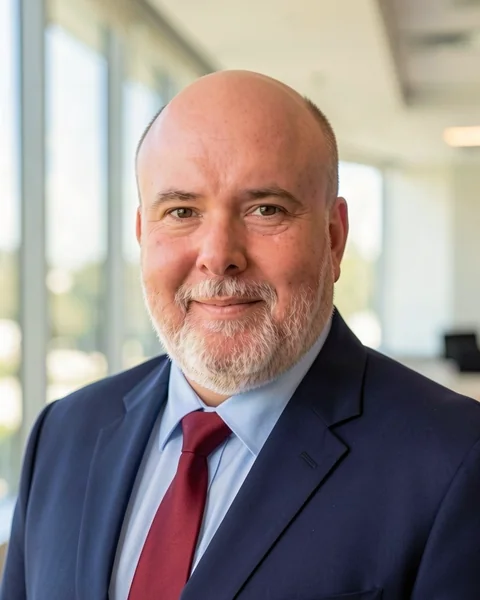 Tony RocaAttorney and certified mediator

Condominium associations insured by Citizens Property Insurance Corporation could soon be moved to lightly regulated surplus lines insurers under a bill Governor Ron DeSantis signed late on June 16, 2026 12. The measure, CS/CS/SB 1028, became Chapter 2026-150, Laws of Florida, on June 17 2. For condominium boards, managers, owners and association counsel, it adds a new step to the insurance decisions that already drive budgets, assessments and disputes.
What the New Law Does
Under the law, Citizens must create a clearinghouse that shifts its condo and commercial policies to private insurers 1. When a participating carrier offers coverage priced within 15 percent of what Citizens charges, the policy has to go to that carrier 1. Only companies rated A- or better by A.M. Best may take part 1. The law took effect immediately, but Citizens has until January 1, 2027, to set up the clearinghouse 1.
The bill passed the Senate 33 to 1 and the House 88 to 19 12. Insurance Commissioner Michael Yaworsky initially opposed it because he wanted tighter oversight of the surplus lines carriers that would take policies out of Citizens 1. Lawmakers changed the bill to give the Office of Insurance Regulation more power to vet companies applying to participate through the clearinghouse, and he dropped his opposition 1.
Why Condo Associations Are in the Middle of It
Citizens’ commercial residential coverage is the line most associations use. The Senate staff analysis describes it as covering commercial properties used for residential purposes, including the parts of a condominium that are the association’s responsibility (generally the building envelope and common areas) and homeowners’ association common property 3.
That book has already shrunk sharply. According to the analysis, Citizens had 7,654 commercial residential policies at the end of 2023, 6,176 at the end of 2024 and 2,995 as of November 30, 2025 3. The associations still insured there are likely among the harder risks to place.
Surplus Lines Coverage Is Different
Surplus lines insurers are largely exempt from state regulation, and their rates and policies are not reviewed by the Office of Insurance Regulation 1. As of May 31, 2026, surplus lines carriers covered 778,000 policies in Florida, including 147,501 commercial property policies 1. The staff analysis adds that surplus lines policies are not protected by the Florida Insurance Guaranty Association if the insurer becomes insolvent, and each insured must sign or acknowledge a disclosure saying so 3.
For a board, that means a renewal moved through the clearinghouse is not simply a change of carrier. Coverage terms, exclusions, deductibles and claims handling may all differ from the Citizens policy, and the cost comparison is only one piece of the decision.
Where Disputes May Follow
Insurance is one of the largest line items in many condominium budgets, so changes in carriers and terms tend to reach owners quickly. Several kinds of conflict are foreseeable:
- Owners and boards. Owners may question whether the board compared policy forms and deductibles carefully, or why a premium change produced a higher assessment.
- Associations and managers or agents. Questions about how a renewal was handled, what was disclosed and when can arise if a claim later goes badly.
- Associations and insurers after a storm. A surplus lines policy with unfamiliar terms can lead to coverage disputes once a claim is filed, and those disputes may not follow the patterns associations know from Citizens.
Each of these disputes involves ongoing relationships, technical documents and money that the community will have to raise one way or another. Mediation gives boards, owners, carriers and their counsel a structured setting to work through policy language, numbers and payment terms before positions harden in litigation.
Association counsel, boards, managers and carriers looking for a certified mediator for a condominium insurance or assessment dispute can check Tony Roca’s live availability and book a mediation by Zoom statewide.
Sources
- DeSantis signs bill to push more commercial policies out of CitizensNews Service of Florida (via News4JAX)June 17, 2026
- CS/CS/SB 1028: Citizens Property Insurance Corporation, Bill HistoryThe Florida SenateJune 17, 2026
- Bill Analysis and Fiscal Impact Statement, SB 1028 (Citizens Property Insurance Corporation)The Florida Senate, Committee on Banking and InsuranceJanuary 13, 2026
General information as of June 18, 2026, not legal advice for any particular situation. How articles are sourced and updated.
Get the weekly brief by email
New articles and updates from LexBrief Insights, once a week. Free, no spam, unsubscribe in one click.
You will get a confirmation email first. Email is handled by Kit; see the privacy notice. General information, not legal advice.
About the author
Tony Roca is an attorney licensed in Florida and Tennessee and a Florida Supreme Court Certified Circuit Civil and Family Mediator with more than 4,000 mediations, conducted by Zoom across Florida. His practice is at rocalaw.com.


