
Port Royale Buyout Nears the Finish Line: Nine Units, a Five Percent Veto and the Case for Negotiating With Holdouts
Kolter and BH Group now own 163 of 172 units at Port Royale in Miami Beach. How Florida's 5 percent rejection rule shapes the last stage of a condo buyout.
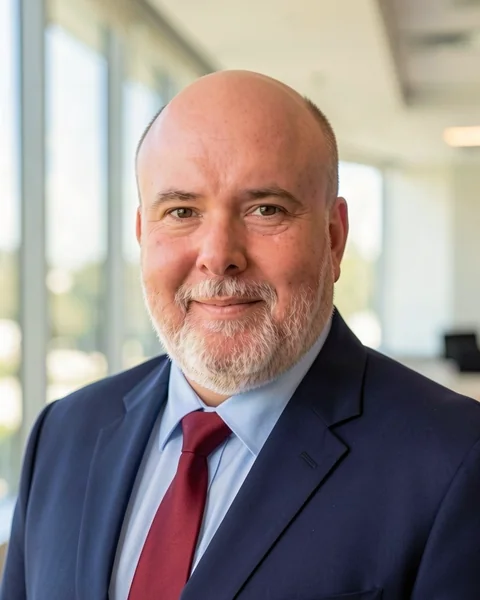 Tony RocaAttorney and certified mediator

Another aging oceanfront condominium in Miami-Dade County is close to becoming a redevelopment site. As Commercial Observer reported on October 2, 2026, a joint venture of Kolter Group and BH Group has paid $61.6 million since July for 163 of the 172 units at Port Royale, the condominium at 6969 Collins Avenue in Miami Beach’s North Beach neighborhood, according to a Vizzda analysis of property records 1. The developers plan to redevelop their assemblage into a luxury condominium complex 1. With nine units outstanding, the deal has reached the stage where buyouts tend to succeed or stall.
How the assemblage came together
Port Royale was built in 1971, and residents of the 172-unit building were evacuated in 2022 amid concerns over its structural integrity 2. In July 2026, the venture bought 10 Port Royale units for about $3.8 million, and Vizzda said at the time that it expected the developers to buy the remaining units 23. The same month, Kolter paid $14.4 million for the commercial condominium units of the neighboring Crystal Beach Suites hotel, adding to the Normandy Plaza Hotel the developers bought for $26 million in January 23. Their earlier proposal for the hotel sites called for a 17-story building with 37 residences 3.
The pace since July is notable. The venture’s July purchase covered 10 units, and by early October it held 163, after paying $61.6 million since July 12. Individual owners, not the association, have been making those sale decisions.
Why the last nine units matter
Florida’s Condominium Act explains why a buyer at 95 percent ownership still has work to do. Under section 718.117(3), an optional termination plan needs a yes vote from 80 percent or more of all voting interests before it is submitted to the Division of Florida Condominiums, Timeshares and Mobile Homes for approval 4. But “if 5 percent or more of the total voting interests of the condominium have rejected the plan of termination by negative vote or by providing written objections, the plan of termination may not proceed” 4. Voting interests may not be suspended for any reason in a termination vote, and a rejected plan cannot be reconsidered for 24 months 4.
At Port Royale, 5 percent of 172 voting interests is 8.6. On those numbers, nine objecting units would meet the threshold, while eight would not, assuming each unit carries one equal vote 14. That arithmetic gives the remaining owners real leverage, and it gives the developer a strong incentive to reach terms with enough of them before any plan is recorded.
The statute also builds in protections that frame negotiations. When a bulk owner holds at least 80 percent of the voting interests at recording, owners in occupancy may lease back their former units for 12 months on market terms if they timely request it, and homestead owners receive a relocation payment equal to 1 percent of the termination proceeds allocated to their unit 4. Bulk owners must also make sworn disclosures about the units they acquired and what they paid 4.
Lessons from recent buyout fights
The South Florida pattern is familiar: older buildings facing post-Surfside repair and reserve costs, developers assembling waterfront sites, and a small group of owners who hold the deciding votes. The Biscayne 21 settlement showed how expensive it becomes when that final gap is litigated rather than negotiated. For developers, holdout owners and the associations caught between them, a few points stand out:
- Know the exact vote count. Unit counts, commercial units and any weighted voting in the declaration determine where the 5 percent line falls 4.
- Put statutory protections on the table early. Lease-back rights, relocation payments and disclosure obligations are part of any termination and can be traded against price and timing 4.
- Negotiate before the plan is recorded. A rejected plan starts a 24-month clock that benefits no one 4.
Buyout negotiations with a handful of remaining owners are personal, financial and time-sensitive at once, which is where a neutral can help. Developers, owners and association counsel looking for a Florida Supreme Court Certified Circuit Civil Mediator can check Tony Roca’s live availability and book a mediation.
Sources
- Kolter, BH Inch Toward Buyout on Oceanfront Miami Beach CondoCommercial ObserverOctober 2, 2026
- Kolter Expands Miami Beach Assemblage for Condo Dev With BH GroupCommercial ObserverJuly 13, 2026
- Kolter boosts North Beach assemblage with $18M in condo unitsThe Real DealJuly 10, 2026
- Section 718.117, Florida Statutes (2026): Termination of condominiumThe Florida Senate
General information as of October 2, 2026, not legal advice for any particular situation. How articles are sourced and updated.
Get the weekly brief by email
New articles and updates from LexBrief Insights, once a week. Free, no spam, unsubscribe in one click.
You will get a confirmation email first. Email is handled by Kit; see the privacy notice. General information, not legal advice.
About the author
Tony Roca is an attorney licensed in Florida and Tennessee and a Florida Supreme Court Certified Circuit Civil and Family Mediator with more than 4,000 mediations, conducted by Zoom across Florida. His practice is at rocalaw.com.


