Florida Posts the Nation's Highest Foreclosure Rate in the First Half of 2026
Florida had the worst state foreclosure rate in the first half of 2026, and starts are climbing. Here is what homeowners behind on payments should know.
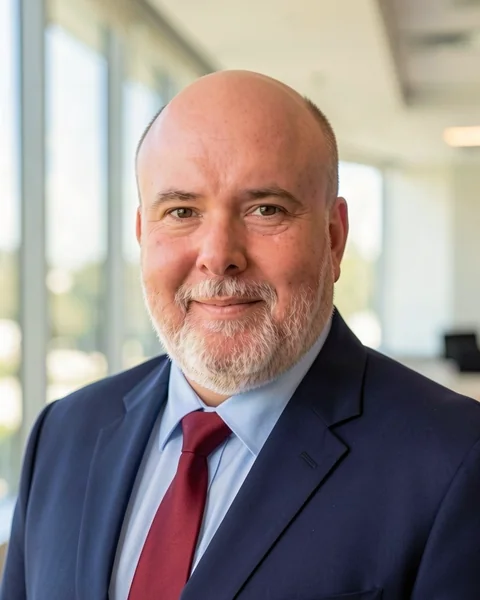 Tony RocaAttorney and certified mediator

Foreclosure filings across the United States rose sharply in the first half of 2026, and Florida sits at the top of the list. According to ATTOM’s Mid-Year 2026 U.S. Foreclosure Market Report, released July 16, 227,548 properties nationwide had a foreclosure filing (a default notice, scheduled auction or bank repossession) in the first six months of the year, up 21 percent from the same period in 2025 and up 28 percent from two years earlier 1.
For Florida homeowners, the numbers are more pointed. The state recorded the worst foreclosure rate in the country, with 0.27 percent of housing units receiving a filing, roughly one in every 373 homes 1. Florida’s total of 27,494 properties with filings was up about 33 percent from the first half of 2025 1.
Where the pressure is showing up
The increase is not limited to one corner of the state. Among larger metropolitan areas, Punta Gorda (0.50 percent) and Lakeland (0.48 percent) posted the two worst foreclosure rates in the nation, and Cape Coral, Jacksonville and Ocala also ranked in the top ten 1.
Early-stage activity is rising too. Florida had 20,358 foreclosure starts in the first half of the year, second only to Texas, and lenders completed 2,070 repossessions in the state over the same period 1. Nationally, foreclosure starts rose 18 percent and bank repossessions climbed 33 percent from a year earlier 1.
ATTOM’s chief executive described the trend as a gradual return to more typical patterns, while noting that the increases suggest some homeowners may be under greater financial strain than a year ago 1. That reading is consistent with credit data from the Federal Reserve Bank of New York, which reported in May that the rate at which mortgage balances moved into serious delinquency accelerated slightly in the first quarter of 2026, from 1.4 percent to 1.5 percent 2.
Timelines are getting shorter
One detail in the report deserves attention from anyone who has fallen behind. Properties foreclosed nationally in the second quarter of 2026 had been in the process for an average of 563 days, the shortest average since 2013 and 13 percent shorter than a year earlier 1. Shorter timelines mean less time between a first missed payment and a sale date.
Florida uses a judicial foreclosure process, so a lender must file a lawsuit and obtain a judgment before a sale. That gives a homeowner a defined window to respond, but it is not unlimited, and waiting usually narrows the available choices.
Options before a sale date
Bankruptcy is one of several tools a homeowner can consider, and it works differently depending on the chapter:
- Chapter 13. A Chapter 13 case can allow a homeowner who has a regular income to catch up mortgage arrears over a plan of up to five years while keeping current on ongoing payments. Filing triggers the automatic stay, which pauses a pending foreclosure while the case proceeds.
- Chapter 7. A Chapter 7 case can eliminate many unsecured debts, such as credit cards and medical bills, which may free up income for the mortgage. It does not, by itself, cure missed mortgage payments.
- Outside of bankruptcy. Loan modifications, repayment plans, forbearance or a sale of the property may be realistic paths for some families, particularly those with significant equity.
The right choice depends on the amount of the arrears, household income, the equity in the home and how far the foreclosure case has advanced. Florida’s homestead protections can also affect the analysis. Because the national figures show both more filings and faster completions 1, homeowners who have received a default letter or a summons benefit from reviewing their options early rather than after a judgment is entered.
The broader picture
Mortgage delinquencies remain low by historical standards, and most homeowners are current on their loans 2. But Florida’s position at the top of the state rankings 1, combined with rising insurance and living costs, means a growing number of South Florida households are feeling pressure on the largest bill they pay each month.
Homeowners in Miami-Dade, Broward or elsewhere in South Florida who are behind on mortgage payments can request a confidential consultation with The Roca Law Firm, in English or Spanish, to review whether Chapter 7, Chapter 13 or another path fits their situation.
Sources
- Foreclosure Activity Posts Annual Increase in First Half of 2026ATTOMJuly 16, 2026
- Household Debt Balances Rise Slightly as Delinquency Transition Rates Hold SteadyFederal Reserve Bank of New YorkMay 12, 2026
General information as of July 20, 2026, not legal advice for any particular situation. How articles are sourced and updated.
Get the weekly brief by email
New articles and updates from LexBrief Insights, once a week. Free, no spam, unsubscribe in one click.
You will get a confirmation email first. Email is handled by Kit; see the privacy notice. General information, not legal advice.
About the author
Tony Roca is an attorney licensed in Florida and Tennessee who represents individuals and families in Chapter 7 and Chapter 13 cases in the U.S. Bankruptcy Court for the Southern District of Florida, and a Florida Supreme Court Certified Circuit Civil and Family Mediator. His practice is at rocalaw.com.