Education Department Delays Student Loan Wage Garnishment: What Borrowers in Default Should Do Now
The U.S. Department of Education paused wage garnishment and tax refund offsets for defaulted student loans. The pause is temporary, and no new date has been set.
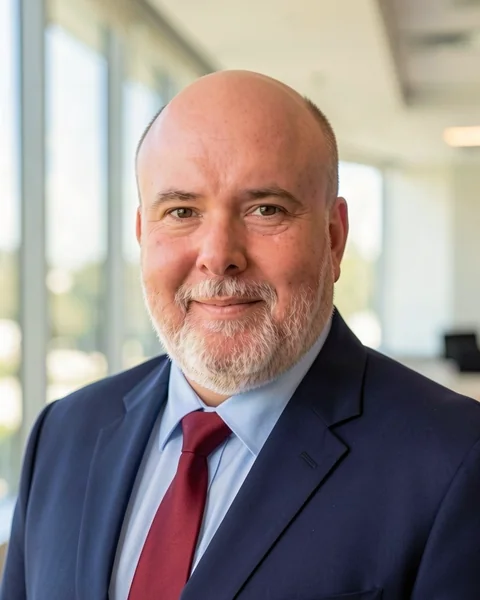 Tony RocaAttorney and certified mediator

This story has been updated
- More than nine months later, the pause continues: on October 29, 2026, the Department of Education told Yahoo Finance that involuntary collections remain paused, although the Treasury Department is reportedly looking to hire private debt collectors to restart them. Borrowers should receive notice before wages are garnished (30 days in advance) or federal benefits are offset (65 days).
Originally published January 21, 2026. The original text below is unchanged.
Borrowers with defaulted federal student loans received a reprieve on January 16, 2026. The U.S. Department of Education announced that it will delay involuntary collections on federal student loans, including Administrative Wage Garnishment and the Treasury Offset Program 1. For Florida workers who were bracing for smaller paychecks this month, the announcement buys time. It does not make the debt go away.
What Changed, and What Did Not
The reversal came quickly. In December, officials had said wage garnishment would restart in January, with initial notices going to 1,000 borrowers the week of January 7 2. The Department now says the temporary delay will allow it to implement repayment reforms under the Working Families Tax Cuts Act 1.
Several points are important for borrowers to understand:
- The pause is temporary. The Department did not set a new date for involuntary collections 2.
- Both garnishment and offsets are affected. The Treasury Offset Program can be used to take some or all of a borrower’s federal payments, including tax refunds and Social Security benefits 3.
- Credit reporting continues. The Department reports student loan defaults to credit reporting agencies, which may harm borrowers’ credit reports 1.
A federal student loan is generally considered in default when the borrower is at least 270 days behind on payments 2. More than 5 million Americans were in default on federal student loans as of September, according to Department data cited by the Associated Press 2.
New Options Are Coming
The Department tied the delay to changes in the law. The Act reduces the number of federal repayment plans, giving borrowers a choice between a standard plan and an income-driven repayment plan 1. The new income-driven plan, available beginning July 1, 2026, waives unpaid interest for borrowers who make on-time payments that do not fully cover accrued interest, and includes small matching payments from the Department in certain circumstances so that principal decreases each month 1.
The law also gives borrowers a second chance to rehabilitate a defaulted loan. Before the Act, borrowers were permitted only one rehabilitation 1. The Department said the delay gives defaulted borrowers more time to begin the rehabilitation process, and more time to evaluate the new repayment options once they consolidate or complete a repayment or rehabilitation agreement 1.
Why This Matters in South Florida
Student debt is a national issue with local effects. More than 42 million Americans hold student loans, and outstanding balances exceed $1.6 trillion, according to the Congressional Research Service as cited by CNBC 3. In a high-cost region like Miami-Dade and Broward, losing part of a paycheck or a tax refund can affect rent, insurance and car payments all at once.
Steps to Take During the Pause
The delay is best used as a window to act rather than a reason to wait:
- Confirm the loan’s status. Borrowers should identify which loans are federal, which are private, and whether any are in default. The Department encourages defaulted borrowers to explore their options with the defaulted federal loan servicer 1.
- Compare rehabilitation and consolidation. The Department describes both as paths for defaulted borrowers, and the second rehabilitation opportunity under the new law 1 may help borrowers who used rehabilitation before.
- Plan around tax season. Because the Treasury Offset Program can reach tax refunds 3, borrowers should watch for any announcement that collections will resume.
- Look at the whole budget. For many households, student loans are one part of a larger picture that includes credit cards, medical bills or a car loan. Addressing only one debt may not solve the problem.
When student loans are combined with other debts that have become unmanageable, a legal review of all options, including Chapter 7 or Chapter 13 bankruptcy, can help a household decide which path makes sense.
Anyone in South Florida weighing their options can request a confidential consultation with The Roca Law Firm, available in English and Spanish.
Sources
- U.S. Department of Education Delays Involuntary Collections Amid Ongoing Student Loan Repayment ImprovementsU.S. Department of EducationJanuary 16, 2026
- Trump administration delays plan to withhold wages for student loan borrowers in defaultAssociated PressJanuary 16, 2026
- Education Department to delay collections on defaulted student loansCNBCJanuary 16, 2026
- Student debt collection may be coming back: 5 steps to avoid wage garnishmentYahoo FinanceOctober 29, 2026
General information as of November 5, 2026, not legal advice for any particular situation. How articles are sourced and updated.
Get the weekly brief by email
New articles and updates from LexBrief Insights, once a week. Free, no spam, unsubscribe in one click.
You will get a confirmation email first. Email is handled by Kit; see the privacy notice. General information, not legal advice.
About the author
Tony Roca is an attorney licensed in Florida and Tennessee who represents individuals and families in Chapter 7 and Chapter 13 cases in the U.S. Bankruptcy Court for the Southern District of Florida, and a Florida Supreme Court Certified Circuit Civil and Family Mediator. His practice is at rocalaw.com.