Court Orders the Administration to Keep Funding the CFPB: What the Consumer Watchdog Fight Means for Florida Borrowers
A federal judge ruled on December 30, 2025 that declining to request CFPB funding violates her injunction. A look at what the fight means for consumers with debt.
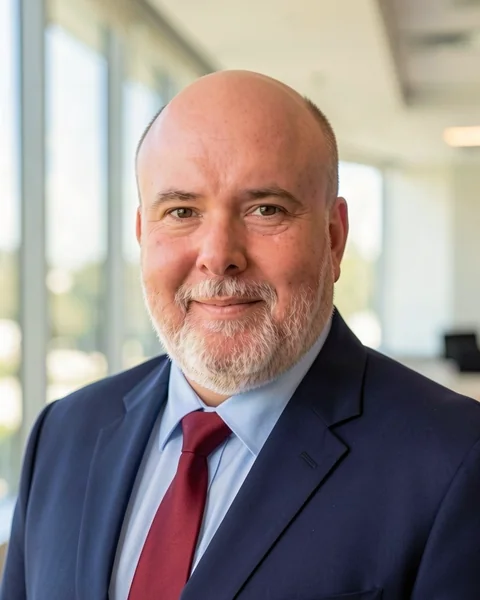 Tony RocaAttorney and certified mediator

The Consumer Financial Protection Bureau, the federal agency created after the 2008 financial crisis to protect consumers of financial services, ended 2025 close to running out of money 2. On December 30, 2025, U.S. District Judge Amy Berman Jackson ruled that the administration’s decision not to request new funding for the agency violates the preliminary injunction she entered in March 12. For Floridians dealing with debt, the case is worth following because it affects who is watching the companies on the other side of their accounts.
How the Funding Fight Started
Unlike most federal agencies, the CFPB is funded by the Federal Reserve rather than through annual appropriations from Congress 2. The National Treasury Employees Union, representing CFPB employees, sued Russ Vought, the acting CFPB director, after the administration moved to shut the agency down 13. On March 28, 2025, the court issued a preliminary injunction designed to ensure that the CFPB would continue to exist and perform its statutory duties while the case is litigated 1.
A D.C. Circuit panel vacated that injunction in August 2025, but on December 17, 2025, the full D.C. Circuit granted rehearing en banc and vacated the panel decision, leaving a partial stay in place 1. The appeal is set for a hearing in February 3.
Meanwhile, in November, a Justice Department Office of Legal Counsel memo concluded that the CFPB cannot draw funds from the Federal Reserve while the Fed is operating at a loss 1. On that basis, the government told the court that the bureau expected to exhaust its available funds in early 2026 1.
What the Court Decided
Judge Berman Jackson rejected that position in a 32-page ruling 2. She found that the Federal Reserve had funded the CFPB throughout the period since 2022 when its interest expenses exceeded its earnings, and that the new reading of the statute was a sharp departure from the bureau’s longstanding interpretation 1. The court described the government’s new understanding of “combined earnings” as “an unsupported and transparent attempt” to achieve the very result the injunction was meant to prevent 12. Its order clarified that the decision not to request funding contravenes the preliminary injunction 1.
The judge also observed that the funding lapse was “manufactured by the defendants” and was not a valid reason to abandon the agency’s obligations 3. Separately, Reuters noted that Congress lowered the cap on the CFPB’s allowable funding in 2025, so the agency may face tighter budgets regardless of how the case ends 2.
Why It Matters to People With Debt
The court’s order keeps the money flowing for now, but the larger dispute is unresolved, and the appeal is still pending 13. Supporters of the agency argue that without it, the public would be more exposed to predatory lending, scams and other abuses, while the administration and other critics have accused it of politicized enforcement 2. Whatever the outcome, a weaker federal watchdog generally means individual borrowers need to be more careful on their own behalf.
A few practical habits help regardless of what happens in Washington:
- Keep records. Save statements, payment confirmations, letters from collectors and any notes from phone calls, with dates.
- Read collection letters closely. Check the creditor’s name, the balance and whether the debt is actually owed before paying or agreeing to anything.
- Check credit reports. Review reports periodically and dispute errors in writing with the credit reporting company.
- Respond to lawsuits. A summons for a debt comes with a deadline to respond, and missing it can make matters much harder to fix.
When debts reach the point of lawsuits, garnishment threats or payments that can no longer be made, it is time to look at all the legal options, including a Chapter 7 or Chapter 13 bankruptcy case where appropriate.
Anyone in South Florida weighing their options can request a confidential consultation with The Roca Law Firm, in English or Spanish.
Sources
- National Treasury Employees Union v. Vought, No. 1:25-cv-00381, Memorandum Opinion and Order (D.D.C. Dec. 30, 2025)Justia (U.S. District Court for the District of Columbia)December 30, 2025
- Trump administration's failure to fund consumer watchdog will violate court order, US judge saysReutersDecember 30, 2025
- Court orders Vought to keep CFPB funded while case is underwayPoliticoDecember 30, 2025
General information as of January 2, 2026, not legal advice for any particular situation. How articles are sourced and updated.
Get the weekly brief by email
New articles and updates from LexBrief Insights, once a week. Free, no spam, unsubscribe in one click.
You will get a confirmation email first. Email is handled by Kit; see the privacy notice. General information, not legal advice.
About the author
Tony Roca is an attorney licensed in Florida and Tennessee who represents individuals and families in Chapter 7 and Chapter 13 cases in the U.S. Bankruptcy Court for the Southern District of Florida, and a Florida Supreme Court Certified Circuit Civil and Family Mediator. His practice is at rocalaw.com.