Third DCA Upholds Mediation Confidentiality Sanction but Sends the Fee Award Back for Lack of Proof
A Miami-Dade probate case: the Third DCA affirmed a finding that counsel disclosed mediation communications, but reversed the $7,192.10 fee award.
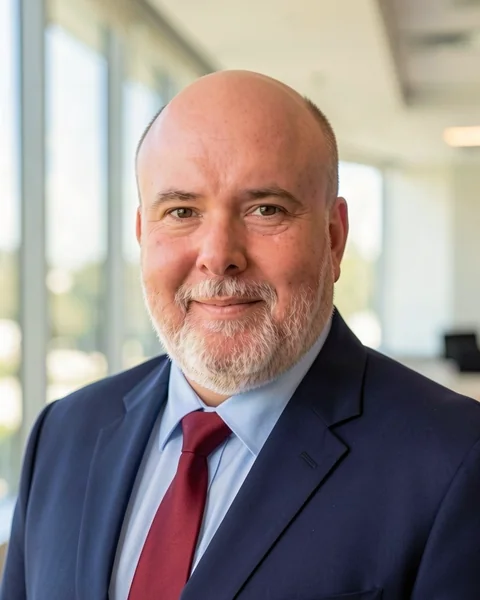 Tony RocaAttorney and certified mediator

A Miami-Dade probate dispute has produced a short but useful reminder for anyone who mediates in Florida: the confidentiality of what is said at mediation is enforced with sanctions, and the sanction itself has to be proved with evidence. On November 25, 2026, the Third District Court of Appeal issued its opinion in Tuttle v. Farrell, No. 3D26-0077, affirming part of a trial court order and reversing the rest 1.
What the trial court did
The case began in the probate division of the Miami-Dade circuit court. According to the opinion, attorney William M. Tuttle II filed a motion in the probate docket that disclosed mediation communications, and the trial court found the disclosure was knowing and willful 1. The court struck the motion and, relying on section 44.406(1), Florida Statutes, sanctioned Mr. Tuttle by ordering him to cover $7,192.10 of Lissette Mencia Farrell’s fees and costs 1.
That total was made up of $3,960 in attorney fees and $3,232.10 in costs, which covered a transcript fee and a mediator’s fee 12. The opinion treats the mediator’s fee as a cost that can be shifted under the statute, which is a detail mediators and counsel may want to note 1.
What the Third District decided
The panel (Judges Gordo, Lobree and Bokor) split the order into two questions. On the violation itself, the court affirmed “without discussion” the finding that Mr. Tuttle knowingly and willfully disclosed a mediation communication in violation of section 44.405, Florida Statutes (2024) 1. Because the panel did not discuss the point, the opinion adds no new reading of the confidentiality statute. It simply leaves the finding in place.
On the amount, the court went the other way. It reversed the fee and cost award because the record did not contain competent, substantial evidence supporting the figures 1. The panel called the evidentiary requirement “axiomatic,” citing the Florida Supreme Court’s decision in Sierra v. Sierra, which requires that the necessity and reasonableness of a fee award rest on such evidence 1.
The opinion also states that the trial court “properly imposed” mediator fees, costs and reasonable attorney’s fees as a remedy available under section 44.406(1) 1. The sanction, in other words, was authorized. What failed was the proof behind the dollar amount. The case goes back to the trial court for further proceedings consistent with its earlier interim order on fees 1. The opinion is not final until any timely motion for rehearing is resolved 1, and the news report on the decision notes that the filing does not say whether further review will be sought 2.
Points for practitioners
Several practical lessons follow from the opinion, framed here as observations rather than predictions of how any court will rule.
- Confidentiality reaches court filings. The disclosure at issue was made in a motion filed in the case docket, not in a conversation 1. Counsel drafting motions in a case that went to mediation can check each factual statement against the question of whether it came from the mediation itself.
- A sanction request needs a record. A party seeking fees or costs under section 44.406 would be expected to present evidence of the hours, rates and expenses claimed, so that the trial court’s findings can survive review for competent, substantial evidence 1.
- Mediator fees and transcripts can be part of the award. The trial court included both in the costs, and the Third District did not question that they were available as a remedy 1.
- Timing matters. Because the opinion is subject to rehearing 1, anyone relying on it may want to confirm its final status before citing it.
The decision is also a reminder for mediators who explain confidentiality at the start of a session. Participants who understand that mediation communications may not be repeated in later filings are less likely to create a satellite dispute over sanctions after the mediation ends.
Counsel looking for a Florida Supreme Court certified mediator for sessions by Zoom statewide can check Tony Roca’s live availability and book a mediation online.
Sources
- William M. Tuttle, II, Esq., et al. v. Lissette Mencia Farrell, No. 3D26-0077 (Fla. 3d DCA Nov. 25, 2026)Third District Court of Appeal of Florida (full opinion via LAWS.com)November 25, 2026
- Florida court rules on attorney fees in mediation disputeLAWS.com NewsNovember 25, 2026
General information as of November 26, 2026, not legal advice for any particular situation. How articles are sourced and updated.
Get the weekly brief by email
New articles and updates, once a week.
You will get a confirmation email first. Email is handled by Kit; see the privacy notice. General information, not legal advice.
About the author
Tony Roca is an attorney licensed in Florida and Tennessee and a Florida Supreme Court Certified Circuit Civil and Family Mediator with more than 4,000 mediations, conducted by Zoom across Florida. His practice is at rocalaw.com.