Student Loan Wage Garnishment Is Still Paused, but Not for Every Borrower
As of November 18 the Education Department had set no restart date for student loan garnishment, but older FFEL loans held by guaranty agencies are outside the pause.
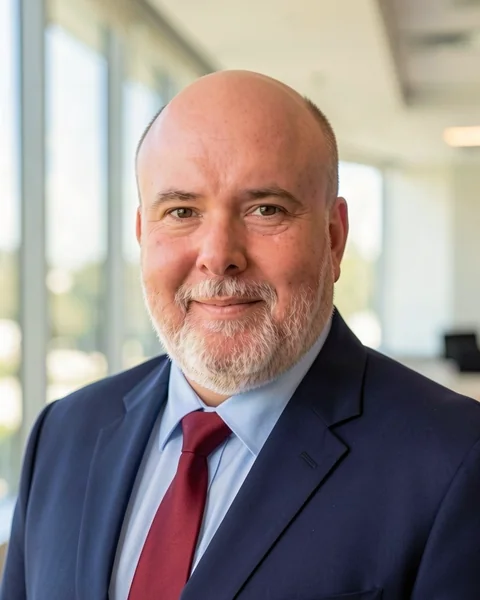 Tony RocaAttorney and certified mediator

Borrowers in default on federal student loans have heard for months that wage garnishment is coming back. A student loan law firm’s guide, updated November 18, gives the current picture: the Department of Education has not announced when it will restart garnishment, and its pause remains in place 1. That is only part of the story, because the pause has edges.
What the pause covers
On January 16, 2026, the Education Department announced it was holding off on involuntary collection, covering both administrative wage garnishment and Treasury offsets of federal payments, while new repayment options were put in place 2. The delay was meant to give borrowers in default time to look at those options, which include a second chance to rehabilitate a defaulted loan 2.
According to the November 18 guide, the Department had sent garnishment notices to a first group of borrowers in early January and then paused before any wages were withheld under them 1. As of that date, no restart had been announced 1.
Where the pause stops
The guide stresses that the pause belongs to the Department. Older Federal Family Education Loan (FFEL) loans held by guaranty agencies are a different story: those agencies are not bound by the pause and may keep garnishing paychecks 1. A borrower with an older loan therefore cannot assume the pause protects them, and the first step is finding out who holds the loan, which the guide says can be checked through a StudentAid.gov account 1.
What is reportedly next
Reporting in October said Treasury is preparing to hire private collection agencies and that involuntary collections could resume in 2027, based on an October 19 report from The Washington Sun that relied on unnamed sources 3. Receivables Info, a trade publication, noted that the plans were unconfirmed and no official restart date existed 3. The November 18 guide adds that Treasury said in June it did not expect to hire collection contractors before the end of 2026 at the earliest, and that the Department told reporters its involuntary collections remain paused 1.
None of that means paychecks are being reduced now. The guide explains that garnishment starts with a written notice and that wages cannot be withheld until at least 30 days after it is sent, with up to 15% of disposable pay subject to withholding once an order is in place 1.
Options that remain open
Treasury and the Department launched an online Defaulted Loans Support Center on September 30 that lets borrowers apply to rehabilitate or consolidate defaulted loans without paper forms 4. The law firm guide describes the tradeoffs this way 1:
- Rehabilitation takes nine monthly payments over about 10 months and keeps the original loans in place.
- Consolidation can end the default once the new loan is made, but a consolidation completed now cannot use income-based repayment (IBR).
- A loan rehabilitated before cannot be rehabilitated again until July 1, 2027, which makes consolidation the route for those borrowers for now.
- Keeping a current mailing address matters, because notices go by first-class mail and the response deadline runs from the date of the notice.
The guide also cautions that the pause is a window rather than a resolution, since collections can resume with little warning and leaving default takes weeks to months 1.
For borrowers whose student loans sit alongside credit cards, medical bills and car loans, the timing of any restart can affect the whole budget. Anyone in South Florida weighing their options can request a confidential consultation with The Roca Law Firm.
Sources
- How to Avoid or Stop Student Loan Wage Garnishment (2026)Tate Law (updated November 18, 2026)November 18, 2026
- U.S. Department of Education Delays Involuntary Collections Amid Ongoing Student Loan Repayment ImprovementsU.S. Department of EducationJanuary 16, 2026
- Treasury Reportedly Preparing to Hire Private Debt Collectors for Defaulted Student LoansReceivables InfoOctober 20, 2026
- U.S. Department of the Treasury and U.S. Department of Education Launch New Defaulted Loans Support CenterU.S. Department of the TreasurySeptember 30, 2026
General information as of November 25, 2026, not legal advice for any particular situation. How articles are sourced and updated.
Get the weekly brief by email
New articles and updates, once a week.
You will get a confirmation email first. Email is handled by Kit; see the privacy notice. General information, not legal advice.
About the author
Tony Roca is an attorney licensed in Florida and Tennessee who represents individuals and families in Chapter 7 and Chapter 13 cases in the U.S. Bankruptcy Court for the Southern District of Florida, and a Florida Supreme Court Certified Circuit Civil and Family Mediator. His practice is at rocalaw.com.